South African Wine vs France, Spain, Italy and New Zealand: World-Class Quality, Better Prices
South Africa makes world-class wine that competes head to head with France, Spain, Italy and New Zealand, often at a much lower price. It is the world's seventh-largest wine producer. Its top estates win the same international trophies as famous European names, yet many of its best bottles cost a fraction of their French or Italian equivalents. For wine lovers in Europe, that makes South Africa one of the best-value wine countries in the world.
Is South Africa a major wine-producing country?
Yes. According to the International Organisation of Vine and Wine (OIV), South Africa produced about 10.2 million hectolitres of wine in 2025. That makes it the seventh-largest producer in the world, after Italy, France, Spain, the United States, Australia and Argentina. Its wine vineyards cover 86,525 hectares, mostly in the Western Cape.
South Africa's wine history is also older than many people expect. The first wine at the Cape was pressed on 2 February 1659. By the 18th and 19th centuries, the sweet wines of Constantia were famous in the courts of Europe, and Napoleon had them sent to him in exile on St Helena.
The modern era began in the early 1990s, when international trade reopened. Since then, a new generation of winemakers has transformed the industry. The Cape's vineyards lie within one of the world's richest plant kingdoms, and the Cape Floral Region is a UNESCO World Heritage Site.
How does South African wine compare with French wine?
France sets the benchmark for many of the world's great styles, and South Africa makes excellent versions of most of them:
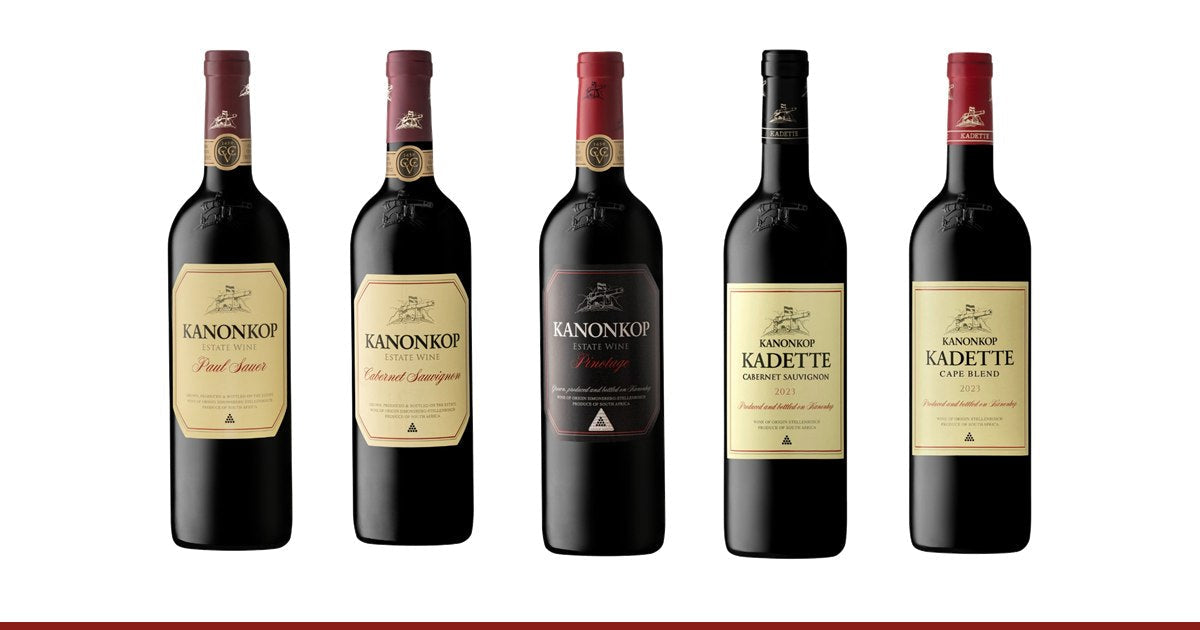
- Bordeaux: Stellenbosch's Cabernet Sauvignon and Bordeaux-style blends share Bordeaux's structure and ageing potential. Kanonkop's Paul Sauer 2015 became the first South African wine given a perfect 100 points by Tim Atkin MW.
- Burgundy: cool-climate Chardonnay and Pinot Noir from Elgin, the Hemel-en-Aarde Valley and the slopes of Stellenbosch offer real elegance.
- Champagne: Méthode Cap Classique is made by the same traditional method, with a second fermentation in the bottle, usually from Chardonnay and Pinot Noir.
- Loire: South Africa has more Chenin Blanc than France. Its old-vine Chenins rival the Loire's best.
- Rhône: Syrah, Grenache and Mourvèdre thrive in the Swartland and other warm, dry areas.
The difference is price. Bordeaux's first growths often sell for several hundred euros a bottle. South Africa's most celebrated reds cost a fraction of that.
How does South African wine compare with Spanish wine?
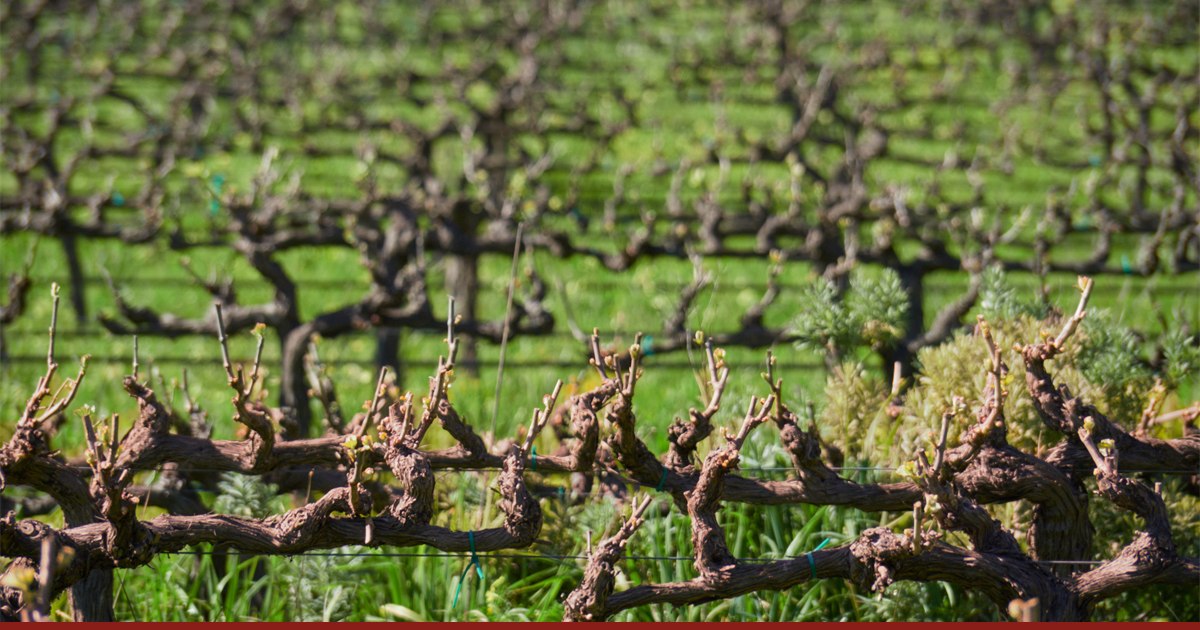
Spain is famous for value, old vines and generous, sun-ripened reds. South Africa shares all three. Like Spain, it has many old bush-vine vineyards. The Old Vine Project gives vineyards that are at least 35 years old a Certified Heritage Vineyard seal, and many of them are dry-farmed Chenin Blanc, Cinsault and Grenache. If you enjoy Garnacha or a ripe Ribera del Duero, try Cape Grenache blends, Shiraz and Pinotage.
How does South African wine compare with Italian wine?
Italy, the world's largest producer, is loved for food-friendly wines with fresh acidity. South Africa's cool ocean influence from the Atlantic and False Bay gives its wines similar freshness. And if you love the Cabernet-based "Super Tuscans", Stellenbosch's Bordeaux-style blends offer the same polish and power. Wines such as De Toren Fusion V and Kanonkop Paul Sauer cost far less than Tuscany's most famous labels.
How does South African wine compare with New Zealand wine?
New Zealand built its reputation on Sauvignon Blanc and Pinot Noir. South Africa makes both:
- Sauvignon Blanc: South Africa's versions, from cool coastal sites such as Durbanville, Constantia and Elgin, are usually less tropical than Marlborough's. They have citrus, fig and a saline, mineral finish, and some are barrel-fermented for extra texture.
- Pinot Noir: the Hemel-en-Aarde and Walker Bay area produces fragrant, cool-climate Pinot Noir that rivals Central Otago's.
South Africa also offers what New Zealand cannot: a huge range of red wines, from Cabernet Sauvignon to Pinotage.
Why is South African wine such good value?
- Lower production costs: land, labour and farming costs are lower than in Europe's famous regions, where vineyard land can be extremely expensive.
- Exchange rate: the South African rand has long traded weakly against the euro, so European buyers get more for their money.
- No famous-name premium: wine from a famous appellation such as Bordeaux, Burgundy or Champagne carries a premium for the name on the label. South African wine is priced on quality.
- Competition: hundreds of producers compete hard for international attention, which keeps quality high and prices honest.
At POTUM, most of our South African wines cost between €10 and €40 a bottle. Even Kanonkop Paul Sauer, from the estate behind South Africa's first 100-point wine, costs under €70 at the time of writing.
If you love these European wines, which South African wine should you try?
| Bordeaux / Super Tuscan | Kanonkop Paul Sauer or De Toren Fusion V |
|---|---|
| Red Burgundy (Pinot Noir) | Creation Estate Pinot Noir |
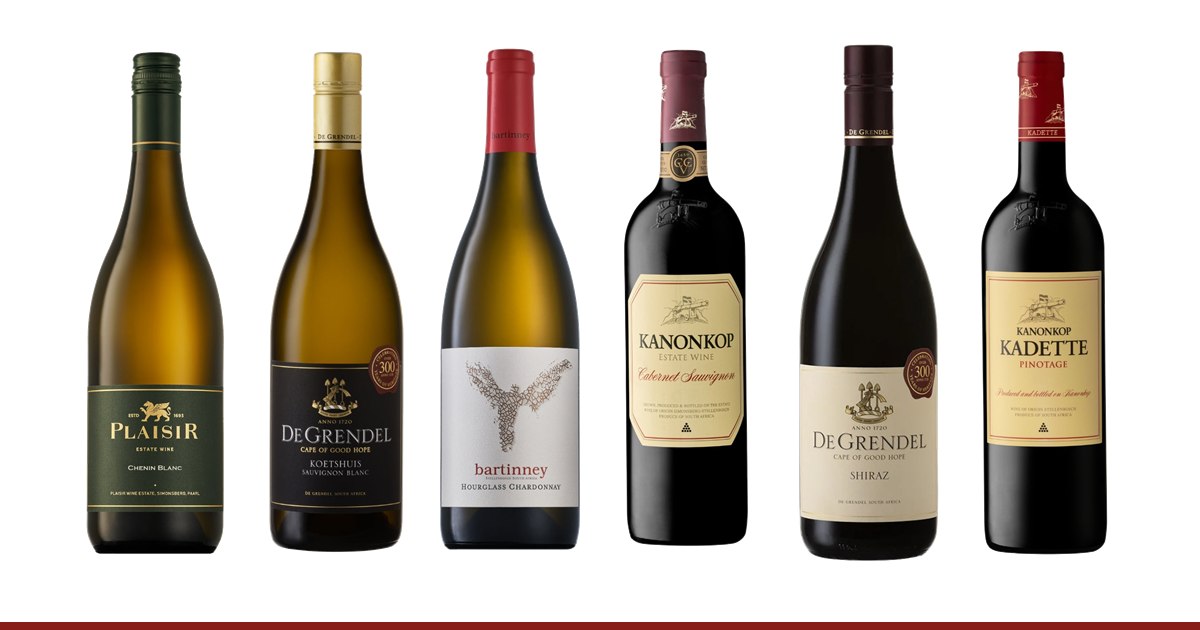
| White Burgundy (Chardonnay) | Bartinney Hourglass Chardonnay |
| Champagne | Plaisir Brut NV (Méthode Cap Classique) |
| Loire Chenin Blanc | Plaisir Chenin Blanc |
| Rhône or Spanish Garnacha | Creation Syrah Grenache |
| New Zealand Sauvignon Blanc | De Grendel Koetshuis Sauvignon Blanc |
| Something you can't get anywhere else | Kanonkop Kadette Pinotage |
POTUM tip: try a blind tasting with friends. Pour a South African Bordeaux-style blend next to a Bordeaux at twice the price, and see which one the table prefers.
Which South African wines offer the best value?
All of these are available from POTUM, with delivery across Bulgaria and the EU.
-

Instead of Bordeaux
Kanonkop Paul Sauer 2022
The Cabernet-led flagship of South Africa's most famous estate, built to age for decades.
View wine -

Instead of a Super Tuscan
De Toren Fusion V 2020
A Left Bank-inspired blend of all five Bordeaux grapes, with cassis, graphite, cedar and dark chocolate.
View wine -

Instead of Champagne
Plaisir Brut NV
Traditional-method sparkling wine from Chardonnay and Pinot Noir, with green apple, citrus and brioche.
View wine -

Instead of red Burgundy
Creation Estate Pinot Noir 2024
Cool-climate Pinot Noir from the Cape South Coast, with cranberry, cherry and an earthy finish.
View wine -

Instead of NZ Sauvignon Blanc
De Grendel Koetshuis Sauvignon Blanc
A partly barrel-fermented Sauvignon Blanc with white peach, citrus and a creamy, mineral texture.
View wine -

Instead of Loire Chenin
Plaisir Chenin Blanc 2023
Pear, quince and white peach with a silky texture. South Africa's signature white at its most food-friendly.
View wine
Learn the grapes in South Africa's Big Six Grapes, or browse our red, white and sparkling collections.
Frequently asked questions
Is South African wine as good as French wine?
The best South African wines are of world-class quality and win the same international awards as top French wines. Kanonkop Paul Sauer 2015 was the first South African wine to receive 100 points from Tim Atkin MW. The big difference is price: comparable South African wines usually cost much less.
Why is South African wine so cheap compared with European wine?
Lower land and production costs, a rand that has long been weak against the euro, and no premium for a famous appellation name mean South African wines cost less than European wines of similar quality.
How big is South Africa's wine industry?
South Africa produced about 10.2 million hectolitres of wine in 2025, which makes it the world's seventh-largest producer according to OIV estimates. Its wine vineyards cover about 86,500 hectares.
Is South African Sauvignon Blanc like New Zealand Sauvignon Blanc?
It is related but usually less tropical. South African Sauvignon Blanc from cool coastal sites shows citrus, fig and a saline, mineral finish. Its style sits between New Zealand's intensity and the Loire's restraint.
What is the South African equivalent of Champagne?
Méthode Cap Classique (MCC). It is made by the same traditional method as Champagne, with a second fermentation in the bottle, usually from Chardonnay and Pinot Noir.
Can I buy South African wine in Bulgaria and the EU?
Yes. POTUM is a Sofia-based importer of premium South African wine, with delivery across Bulgaria and the EU.
Sources and further reading
- OIV: 2025 World Wine Production Outlook (preliminary estimates)
- SAWIS: statistics of wine-grape vines
- Kanonkop: Paul Sauer 2015 receives the first 100-point rating for a South African wine
- UNESCO: Cape Floral Region Protected Areas
- The Old Vine Project: Certified Heritage Vineyards
- Wines of South Africa (WOSA)
- Header photo: "Cape Winelands – Stellenbosch" by lumoplank, released into the public domain (CC0), via Wikimedia Commons.